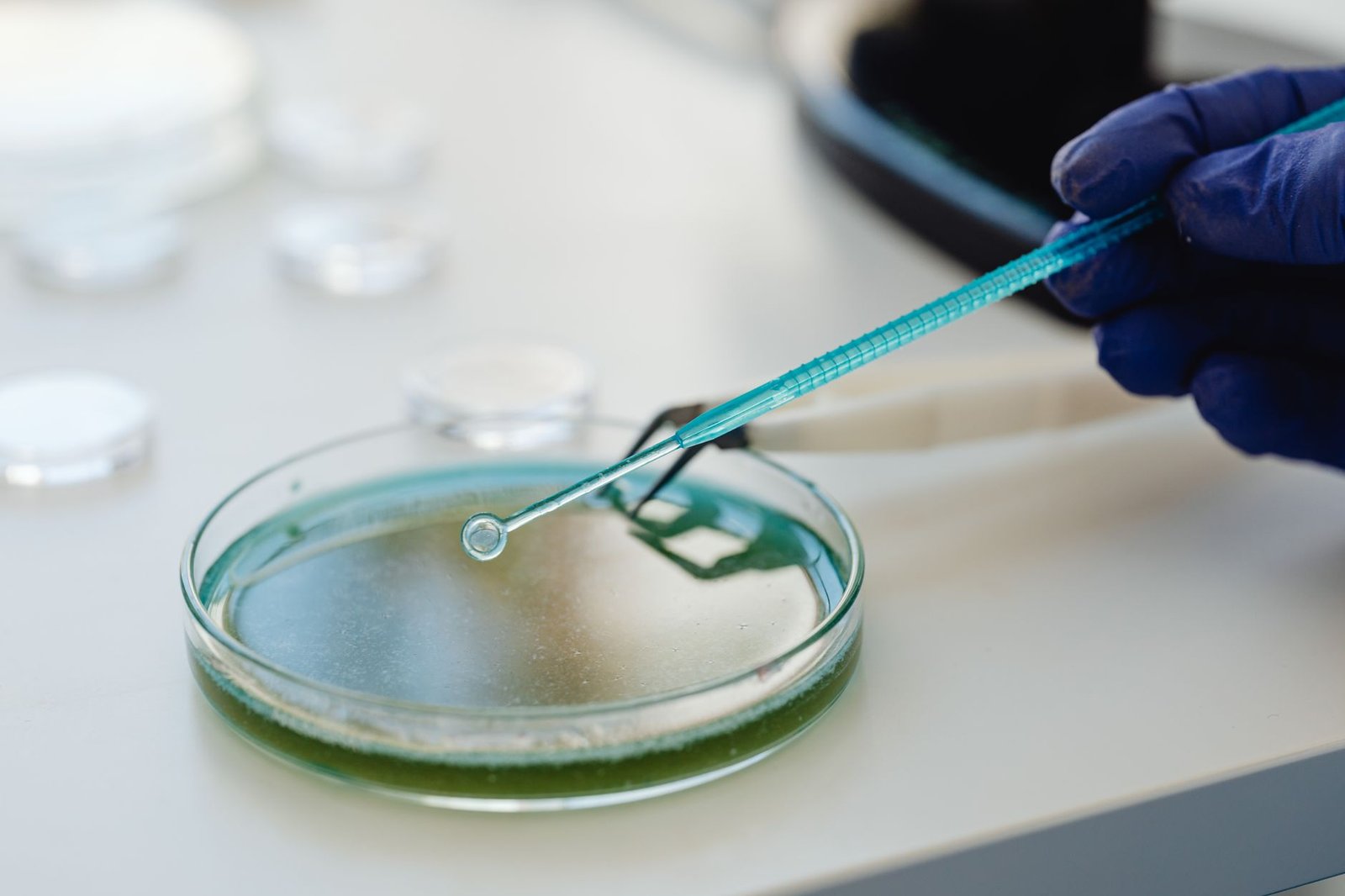
A new wave of research is producing results in animal models that would have seemed impossible a decade ago: the partial reversal of age-related cellular decline using stem cell reprogramming techniques. While the headlines tend toward breathless optimism, the science itself is genuinely significant — and worth understanding clearly, because what researchers are learning in mice today is directly shaping what human clinical trials will be asking tomorrow.
What the Research Shows
Several research groups — including teams at the Salk Institute, Harvard Medical School and Stanford University — have published findings in recent years demonstrating that partial cellular reprogramming can reverse some of the molecular hallmarks of aging in mouse cells and tissues. The approach draws on the Nobel Prize-winning work of Shinya Yamanaka, whose discovery that adult cells could be returned to a stem-cell-like state by introducing four specific genes (known as the Yamanaka factors) opened an entirely new field of regenerative research.
The key word in the current research is “partial.” Full reprogramming returns a cell entirely to a pluripotent stem cell state — useful for tissue engineering but dangerous in a living organism, where it could trigger tumour formation. Partial reprogramming — exposing cells to the reprogramming factors briefly, then stopping the process — appears to reset some of the epigenetic markers of age without erasing the cell’s identity. In mouse studies, this approach has been associated with improved vision in ageing mice, improved muscle regeneration, and changes in blood biomarkers associated with youthfulness.
What This Means for Human Medicine
The honest answer is: we do not yet know — and any researcher who claims otherwise is overstating the evidence. What we do know is:
- The results in mice are reproducible across multiple independent laboratories — this is not a single anomalous finding
- The biological mechanisms being studied (epigenetic reprogramming, cellular senescence, telomere biology) are conserved across mammals including humans — meaning the same principles operate in human cells
- Several companies including Altos Labs, Calico (Google-backed) and NewLimit have raised hundreds of millions of dollars to translate this research toward human application, suggesting serious commercial and scientific confidence in the direction
- The first human safety trials are likely to be in conditions where the risk-benefit calculation clearly justifies the intervention — for example, age-related macular degeneration (vision loss), which was one of the first conditions to show reversal in mouse models
Realistic Timeline from Lab to Clinic
For patients hoping this research will produce treatments they can access in the near future, a realistic timeline assessment is important:
- 2026–2028: First human Phase I safety trials likely in specific conditions (eye disease, possibly certain muscle conditions). These trials will establish safety profiles, not effectiveness.
- 2028–2032: Phase II efficacy trials in humans for the most advanced programmes. Results will begin to reveal whether the effects seen in mice translate to people.
- 2033+: If Phase II results are positive, Phase III trials and then potential FDA review. Commercial availability of any reprogramming-based therapy for ageing is unlikely before the mid-2030s at the earliest for any single condition.
This is not discouraging — a decade is a short time for a field that did not exist twenty years ago. But patients should be wary of any clinic offering “cellular reprogramming” treatments today based on this research, as no validated human treatment currently exists.
Why This Matters Even Now
Understanding the direction of research matters for patients today for several reasons. It explains why the field is receiving unprecedented investment. It illuminates the biological mechanisms that underpin some currently available approaches — including exosome therapy and GHK-Cu-based interventions — which operate on adjacent cellular processes. And it sets realistic expectations: the most transformative applications of this science are likely still ten or more years away, but the trajectory is real and the pace of progress is accelerating.

Before You Pay: The Stem Cell Clinic Checklist
- 20 questions every legitimate clinic should answer in writing
- A red-flag scorecard to spot unregulated marketing
- Realistic 2026 cost ranges: US, Mexico, Panama & Europe
- How to find a registered clinical trial
Medical Disclaimer: This article is for informational purposes only and does not constitute medical advice. Always consult a qualified medical professional before pursuing any treatment. See our full Medical Disclaimer.
Exploring your stem cell options? Use our free Clinic Finder to learn how to find and vet a legitimate stem cell clinic near you.